

Institute for
Replication
Improving the credibility of science by systematically reproducing and replicating important empirical research in the social sciences.
What We Do
Three pillars driving credibility in empirical research
Games & Events
We organize replication games worldwide, bringing together researchers to reproduce and replicate influential studies in economics and social sciences.
Discussion Papers
Our growing collection of 232+ discussion papers documents reproduction and replication attempts, contributing to a transparent scientific record.
Replication Tools
We develop and curate tools that help researchers verify, reproduce, and build upon existing empirical work more efficiently.
Latest from the Blog
Insights, updates, and commentary on replication research
From Reproducibility to Responsibility: Open Science in the Age of AI
October 14, 2026 · Katharina Miller, Research Director @ Miller International Knowledge (MIK)
Reproducibility and Robustness in Development Economics (R2E-Dev) – A Large-Scale Meta-Replication
October 7, 2026 · Jörg Ankel-Peters, Abel Brodeur, and Julian Rose
What We Learned from Trying to Reproduce Psychological Science
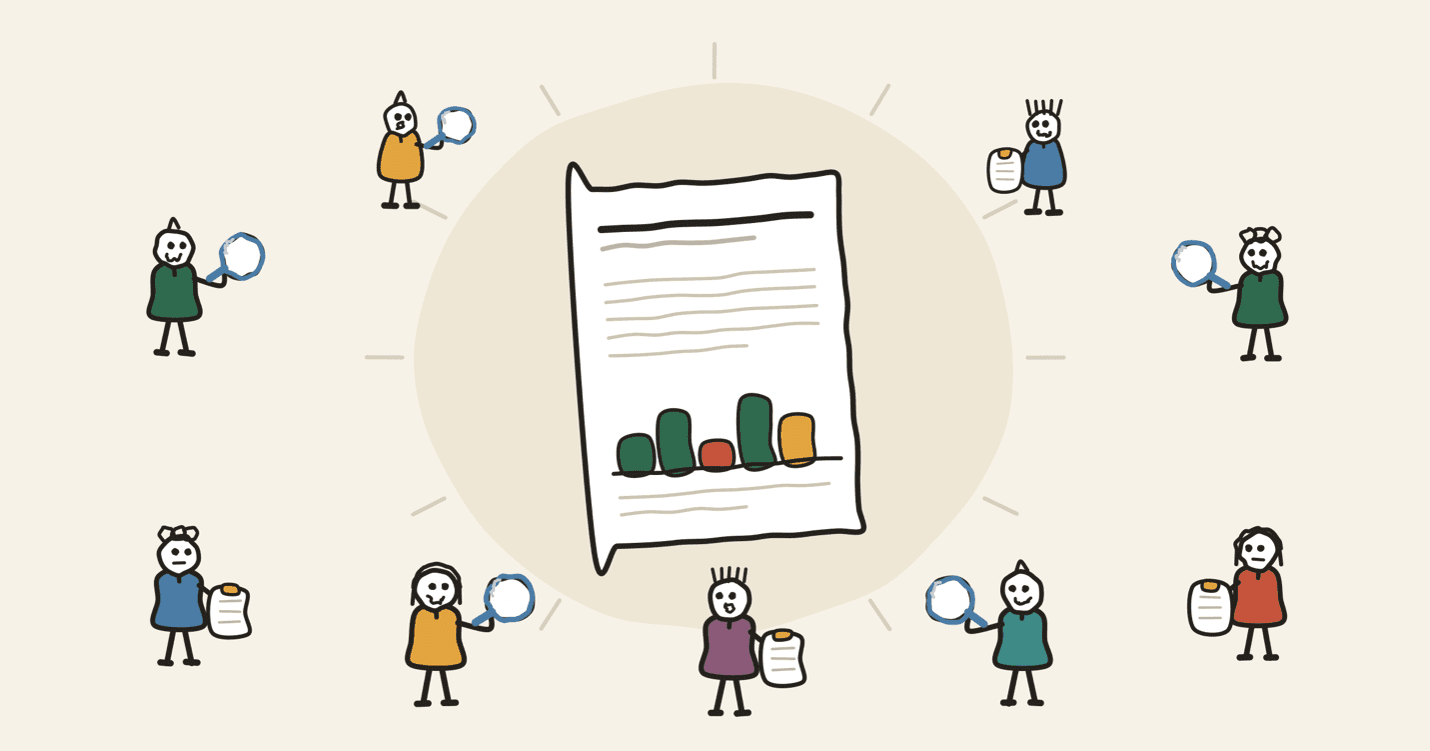
Over the past two years, I4R has collaborated with Psychological Science, a leading journal in psychology, on a large reproducibility project. 67 independent teams completed reproduction reports for 64 articles published in the journal in 2024 and 2025. That covers about 44% of the 146 eligible articles from those two years. Teams followed a standardized protocol specified by I4R. They documented data and code availability, computational reproducibility, coding errors, prevalence of preregistration, deviations from preregistered plans, and whether those deviations were acknowledged. Here is what we learned.
September 25, 2026 · Abel Brodeur, Ghina Abdul Baki, Luna Fazio
Supported By


Get Involved
Join 198+ fellows working to improve the credibility of science through replication research.